


Blog / Financing

Auto Financing Explained for First-Time Buyers

Auto Financing Explained for First-Time Buyers

Auto Financing Explained: What First-Time Car Buyers in Devine, TX, Need to Know 

Buying your first vehicle is exciting. Financing it can be considerably less entertaining, especially when unfamiliar terms start appearing on paperwork. But understanding auto loans doesn't require an accounting degree. It requires knowing how lenders calculate borrowing costs, what determines your approval, and how to recognize a financing agreement that fits your budget. For first-time buyers around Devine, a little preparation can prevent expensive mistakes and make the entire experience more manageable. 

How Auto Financing Works 

Auto financing allows you to purchase a vehicle using money borrowed from a bank, credit union, or automotive financing company. You repay that loan through scheduled monthly payments, generally consisting of principal and interest. The principal is the amount borrowed, while interest represents the lender's charge for providing the money. Your monthly payment depends on the loan amount, interest rate, and repayment period. A larger down payment reduces the principal, potentially lowering both your monthly obligation and total interest expense. 

Understanding the Vehicle's Purchase Price 

A vehicle's advertised price is only one part of the financing calculation. The final purchase agreement may include applicable taxes, registration costs, dealer fees, and optional products such as extended service contracts. Trade-in equity can reduce the amount financed, while an outstanding loan balance exceeding the trade-in value can increase it. Before discussing monthly payments, examine the complete purchase agreement. Knowing the total amount you're borrowing provides a much stronger foundation for evaluating financing offers. 

APR: The Number That Deserves Your Attention 

Annual Percentage Rate, or APR, represents the annualized cost of borrowing, including interest and certain applicable financing charges. It's one of the most important figures when comparing loans. Consider two offers with identical principal amounts and repayment periods. The loan with a 7% APR generally costs more in interest than one with a 3% APR. Credit history, income, existing debt, and lender requirements influence the rate offered. First-time buyers with limited credit histories may encounter higher APRs, making comparisons between lenders particularly valuable. 

Loan Length Changes the Total Cost 

A longer repayment period can reduce your monthly payment, but that convenience carries a potential disadvantage. Extending a loan from 48 months to 72 months generally increases total interest paid when the principal and APR remain unchanged. Longer loans can also increase the likelihood of owing more than the vehicle's market value during the early ownership period. Evaluate the total repayment amount alongside the monthly payment. A comfortable payment is important, but it shouldn't conceal an unnecessarily expensive financing arrangement. 

What Happens During Loan Approval? 

Lenders evaluate credit history, income, employment information, and existing financial obligations to determine eligibility. This process, called underwriting, helps establish the loan amount and terms they're prepared to offer. Dealership financing departments may submit applications to multiple lending institutions, giving buyers access to different financing possibilities. Formal applications generally involve a hard credit inquiry, which can temporarily affect your credit score. Credit-scoring models commonly group qualifying auto loan inquiries within a shopping period of approximately 14 to 45 days, depending on the model. 

What Should You Bring to the Dealership? 

Arriving prepared can make the financing process significantly faster. Bring a valid government-issued photo ID, recent proof of income, and documentation confirming your current residence. Lenders may request your Social Security number for credit verification, along with additional employment or financial information. If you're trading in a vehicle, bring its registration, loan information, and available title documentation. Have your down payment arrangements ready as well. Requirements vary by lender, so confirming the necessary documents beforehand can prevent delays. 

Can You Qualify Without Established Credit? 

Limited credit history doesn't automatically prevent financing approval. Some lenders offer programs designed for first-time buyers, although eligibility and terms vary. Stable income, manageable existing debt, and a substantial down payment can strengthen an application. A qualified co-signer may also improve approval prospects, but that person becomes legally responsible for repayment if you fail to meet the loan obligations. Compare offers carefully and avoid assuming the first approval represents your best available terms. 

Explore Auto Financing at Brown Chevrolet 

Understanding APR, loan length, down payments, and approval requirements puts you in a stronger position to choose financing that supports your long-term budget. Brown Chevrolet in Devine, TX, can help first-time buyers explore available lending options, review financing terms, and compare all-new vehicles. Visit us to discuss your financing needs and examine your options. A well-structured loan should make vehicle ownership more rewarding, not create unnecessary financial pressure. 

Posted in:

Related Posts

Tires and Wheels FAQ: Everything You Need to Know

Tires and Wheels FAQ: Everything You Need to Know

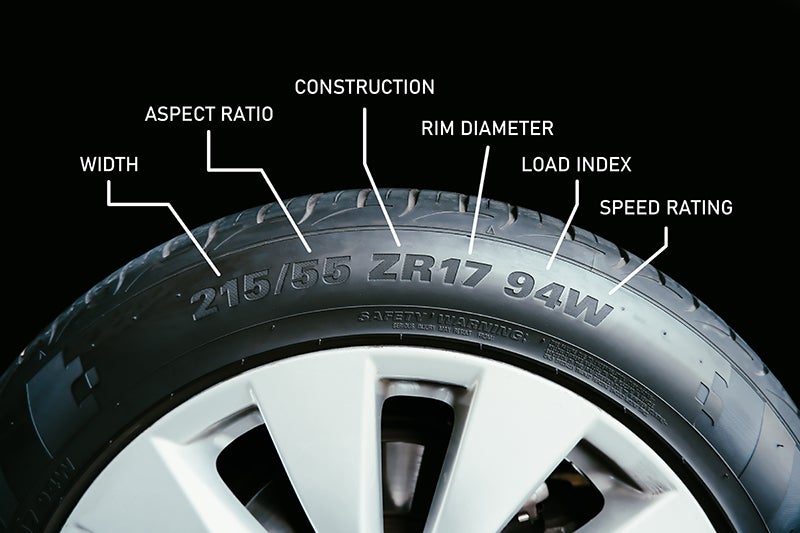
Tires and Wheels FAQ: Your Complete Guide to Every Part and How It Works Your tires and wheels are the only parts of your vehicle that touch the pavement, making them critical for safety and handling. Knowing how these parts function helps you spot wear early and avoid costly roadside breakdowns. At Brown Chevrolet in Devine, TX, our certified technicians want you to feel confident on the road, so reach out to our team anytime for personalized vehicle information and expert care. What Are the Main Components of a Wheel? A wheel consists of several parts working together. The rim is the outer circular edge that holds the tire, while the barrel forms the main cylindrical body. Spokes connect the rim to the center hub, providing structural support. The hub attaches the wheel to the axle, houses the wheel bearings, and features a center bore hole that fits precisely over the axle hub to prevent vibrations. Lug nuts thread onto wheel studs to secure the assembly. Technicians must torque lug nuts to exact factory specifications, because over-tightening warps brake rotors and under-tightening creates a major safety hazard. What Are the Main Components of a Tire? Each part of a tire supports performance and durability. The tread is the outer rubber layer that grips the road; you should replace your tires once tread depth wears down to 2/ 32". The sidewall sits between the tread and the rim, displaying size and rating specifications. Inside, the inner liner holds compressed air, while steel belt packages and body ply layers provide strength and shape. The bead is a rubber-coated wire bundle that seals the tire tightly against the rim. Finally, the valve stem and its internal valve core allow you to inflate the tire and maintain proper air pressure. What Can Go Wrong With Tires and Wheels? Tire and wheel damage happens gradually through daily wear or suddenly from road hazards. Uneven tread wear usually signals an alignment or rotation issue, while sidewall bulges indicate internal impact damage requiring immediate replacement. Tires older than five to seven years also develop dry rot cracks. Potholes can bend wheel rims, causing vibrations and air leaks. Loose or corroded lug nuts compromise wheel security, and worn hub bearings produce a speed-sensitive humming or grinding noise. Cracked valve stems or missing caps also allow dirt and moisture inside, leading to slow pressure leaks. What Maintenance Do Tires and Wheels Need? Consistent maintenance extends component life and prevents unexpected repairs. Check your tire pressure monthly using the specifications on your driver's door jamb sticker. Schedule a tire rotation every 5,000 to 7,500 miles to promote even tread wear across all four wheels. You should also get an annual wheel alignment to keep your vehicle tracking straight and wheel balancing to eliminate highway vibrations. Always have a technician verify lug nut torque, inspect wheel bearings, and check valve stems during every routine tire service. Visit Brown Chevrolet for Tires and Wheels Service Understanding your tires and wheels helps you catch mechanical problems early and keep your vehicle safe. When you need professional maintenance or new tires, the service team at Brown Chevrolet in Devine, TX is ready to help. Explore our online portal to schedule your next service appointment or browse our current inventory.

Car Batteries: Small Box, Important Job, Terrible Sense of Timing

Car Battery: What It Is & When to Replace It

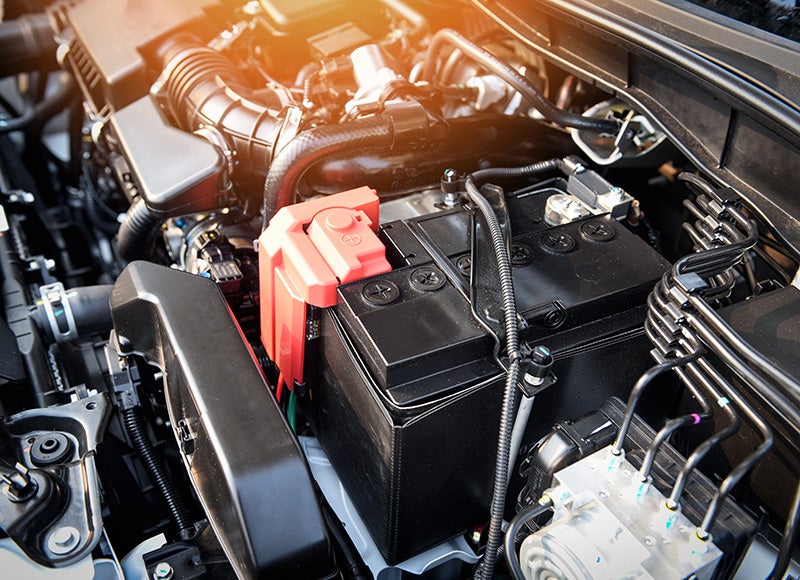
Car Batteries: Small Box, Important Job, Terrible Sense of Timing The car battery is an interesting component because most drivers don't think about it until the precise moment it decides to become extremely important. You turn the key or press the start button, expecting an engine. Instead, you get silence, clicking, or a vehicle displaying all the enthusiasm of a garden shed. Fortunately, batteries aren't especially mysterious. Understanding what yours does, recognizing the signs of declining performance, and scheduling battery testing before it gives up completely can help prevent an inconvenient morning in Devine, TX. Starting the Engine Is the Big Performance When you start the vehicle, the battery supplies a burst of electrical current to the starter motor, allowing it to crank the engine. The battery can also supply electricity to components such as interior lights, exterior lighting, and infotainment equipment when the engine isn't running. Once the engine starts, the alternator generates electricity and replenishes the battery's charge while supporting the vehicle's electrical system. If the battery repeatedly loses charge, professional battery testing or electrical-system diagnosis can help determine if the battery itself is failing or another part of the starting and charging system needs attention. The Battery and Alternator Have an Arrangement Every engine start removes some stored energy from the battery, and the alternator helps put it back while the engine runs. This process happens repeatedly, but the battery's ability to hold a charge gradually declines with age and use. Temperature extremes, frequent short trips, and other operating conditions can also affect battery life. Many conventional batteries last around 3 to 5 years, although service life varies. That's why routine maintenance provides a useful opportunity to check battery condition. Drivers scheduling an oil change, tire rotation, or Multi-Point Vehicle Inspection can also ask about a battery inspection instead of waiting for the battery to announce its retirement without giving 2 weeks' notice. Your Battery May Warn You Before Walking Off the Job A weakening battery can produce several symptoms. Slow engine cranking is one of the more obvious ones, while dimming lights, electrical components behaving unusually, or repeated difficulty starting can also justify an inspection. A battery or charging-system warning light deserves attention as well. Corrosion around the terminals can interfere with electrical connections and should be inspected rather than ignored. These symptoms don't automatically prove the battery needs replacement, which is precisely why battery testing and charging-system diagnosis are useful. A qualified technician can evaluate the system before you spend money replacing a component that wasn't responsible for the problem. A Jump-Start Gets You Moving, Not Diagnosed Jumper cables can solve the immediate problem of a vehicle that won't start, but they can't explain why it happened. If your Chevrolet requires repeated jump-starts, scheduling service is considerably more productive than becoming exceptionally skilled at attaching jumper cables. A Certified Service technician can inspect the battery, connections, starting system, and charging system to determine what requires attention. If replacement is necessary, the parts department can help match the vehicle with the appropriate battery. Checking available service specials before scheduling battery service can also make sense when planning upcoming maintenance. Test the Battery Before It Makes the Decision for You Brown Chevrolet serves Devine, TX, drivers with battery inspections, battery testing, battery replacement, electrical-system diagnosis, and other Chevrolet maintenance services. Owners can explore Certified Service options and replacement parts while taking care of other scheduled maintenance. If your Chevrolet is cranking slowly, showing electrical symptoms, or has an aging battery you'd rather not test through personal experience, schedule a service appointment online and have the system inspected.

Brake System FAQ: What Are the Key Components and Warning Signs? 

Brakes FAQ: What Are the Key Components and Warning Signs?

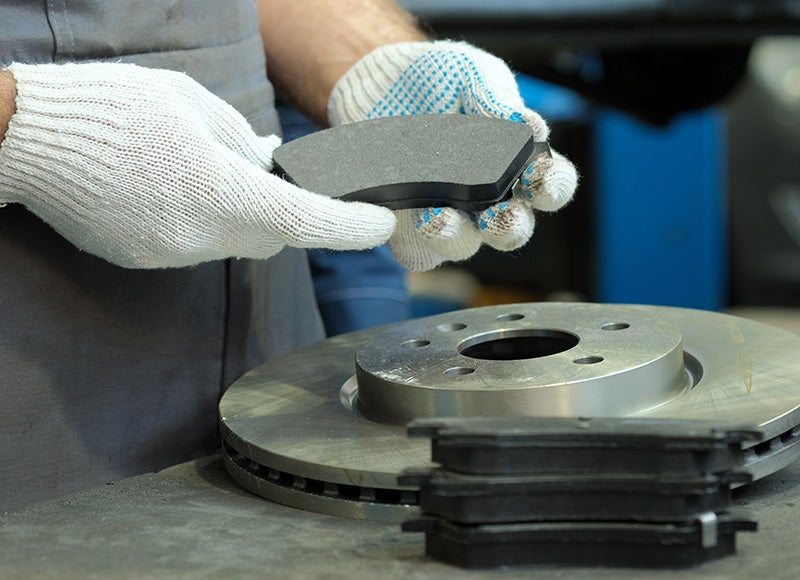
Your brakes are one of your vehicle's most important safety systems. No matter if you drive a Chevy Silverado, Equinox, or Trax in Devine, Texas, understanding how your brakes work can help you catch problems early and stay safe on the road. This FAQ covers the main components that make up your brake system, what controls them, and the warning signs that something may be wrong. What Are Brake Pads and Rotors? Brake pads are friction material that presses against a metal disc called a rotor. When you apply the pedal, the pads clamp down on the rotor to create the friction needed to slow your vehicle. Over time, both the pads and rotors wear down and need to be inspected and replaced. Worn pads are one of the most common brake service items. What Is a Brake Caliper? The caliper holds the pads and uses hydraulic pressure to squeeze them against the rotor. Calipers are positioned over the rotor and must move freely to work properly. A seized caliper can cause uneven braking, premature wear on one side, or pulling to the left or right when stopping. What Is the Master Cylinder? The master cylinder is the heart of your hydraulic brake system. When you press the brake pedal, it pushes brake fluid through the master cylinder and out to each wheel. If the master cylinder fails or develops a leak, you may notice a soft or spongy feel in the pedal, which is a clear sign that service is needed. What Is Brake Fluid? Brake fluid transfers the force from the master cylinder to the calipers at each wheel. It operates under high pressure and must maintain a consistent viscosity to work correctly. The fluid absorbs moisture over time, which can lower its boiling point and reduce braking performance. Regular fluid checks are an important part of automotive maintenance. What Are Brake Lines and Hoses? Brake lines and hoses carry the fluid from the master cylinder to each wheel. Metal lines run along the frame, while flexible rubber hoses connect to the calipers near each wheel. Cracks, corrosion, or leaks in the lines or hoses can cause a loss of hydraulic pressure and significantly reduce your ability to stop. What Is the Brake Booster? The brake booster uses vacuum pressure - typically from the engine - to multiply the force of your foot on the pedal. This makes braking easier and more responsive. If the booster fails, you may need to press the pedal much harder than usual. What Does Squealing or Grinding Mean? A high-pitched squeal when braking is often caused by wear indicators built into the pads. This sound is intentional - it is designed to alert you that the pads are getting low. If you hear grinding instead, the pads may be completely worn through, and metal-on-metal contact can damage the rotors quickly. Why Does My Vehicle Pull When Braking? If your vehicle pulls to one side when you apply the brakes, it could indicate a seized caliper, uneven pad wear, or a problem with the fluid pressure on one side. This is a common question, and the answer is almost always the same: get it checked right away. What Does a Soft or Spongy Pedal Mean? A brake pedal that feels soft, spongy, or sinks to the floor is a serious problem. This often means air in the lines, a fluid leak, or a failing master cylinder. If this happens, get your brakes inspected right away. What Does the Brake Warning Light Mean? The brake warning light on your dashboard can indicate low fluid, worn pads, or an issue with the system. It is one of the clearest signals your vehicle can give you that something needs attention. Visit Brown Chevrolet for Brake Service in Devine, TX If you notice any of these warning signs, do not wait. Drivers throughout Devine, TX, can count on Brown Chevrolet's Certified Service technicians to inspect, diagnose, and repair brake issues using quality parts and proven expertise. Schedule your service appointment at Brown Chevrolet today.