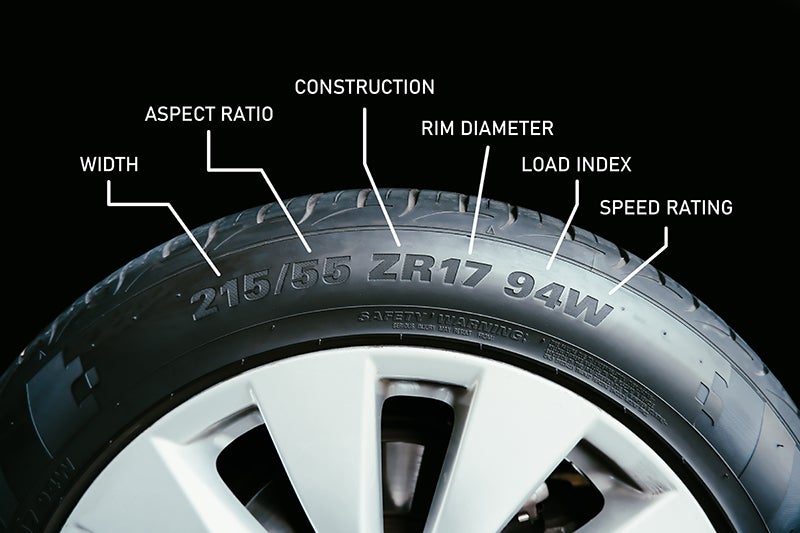





Tires and Wheels FAQ: Your Complete Guide to Every Part and How It Works Your tires and wheels are the only parts of your vehicle that touch the pavement, making them critical for safety and handling. Knowing how these parts function helps you spot wear early and avoid costly roadside breakdowns. At Brown Chevrolet in Devine, TX, our certified technicians want you to feel confident on the road, so reach out to our team anytime for personalized vehicle information and expert care. What Are the Main Components of a Wheel? A wheel consists of several parts working together. The rim is the outer circular edge that holds the tire, while the barrel forms the main cylindrical body. Spokes connect the rim to the center hub, providing structural support. The hub attaches the wheel to the axle, houses the wheel bearings, and features a center bore hole that fits precisely over the axle hub to prevent vibrations. Lug nuts thread onto wheel studs to secure the assembly. Technicians must torque lug nuts to exact factory specifications, because over-tightening warps brake rotors and under-tightening creates a major safety hazard. What Are the Main Components of a Tire? Each part of a tire supports performance and durability. The tread is the outer rubber layer that grips the road; you should replace your tires once tread depth wears down to 2/ 32". The sidewall sits between the tread and the rim, displaying size and rating specifications. Inside, the inner liner holds compressed air, while steel belt packages and body ply layers provide strength and shape. The bead is a rubber-coated wire bundle that seals the tire tightly against the rim. Finally, the valve stem and its internal valve core allow you to inflate the tire and maintain proper air pressure. What Can Go Wrong With Tires and Wheels? Tire and wheel damage happens gradually through daily wear or suddenly from road hazards. Uneven tread wear usually signals an alignment or rotation issue, while sidewall bulges indicate internal impact damage requiring immediate replacement. Tires older than five to seven years also develop dry rot cracks. Potholes can bend wheel rims, causing vibrations and air leaks. Loose or corroded lug nuts compromise wheel security, and worn hub bearings produce a speed-sensitive humming or grinding noise. Cracked valve stems or missing caps also allow dirt and moisture inside, leading to slow pressure leaks. What Maintenance Do Tires and Wheels Need? Consistent maintenance extends component life and prevents unexpected repairs. Check your tire pressure monthly using the specifications on your driver's door jamb sticker. Schedule a tire rotation every 5,000 to 7,500 miles to promote even tread wear across all four wheels. You should also get an annual wheel alignment to keep your vehicle tracking straight and wheel balancing to eliminate highway vibrations. Always have a technician verify lug nut torque, inspect wheel bearings, and check valve stems during every routine tire service. Visit Brown Chevrolet for Tires and Wheels Service Understanding your tires and wheels helps you catch mechanical problems early and keep your vehicle safe. When you need professional maintenance or new tires, the service team at Brown Chevrolet in Devine, TX is ready to help. Explore our online portal to schedule your next service appointment or browse our current inventory.