




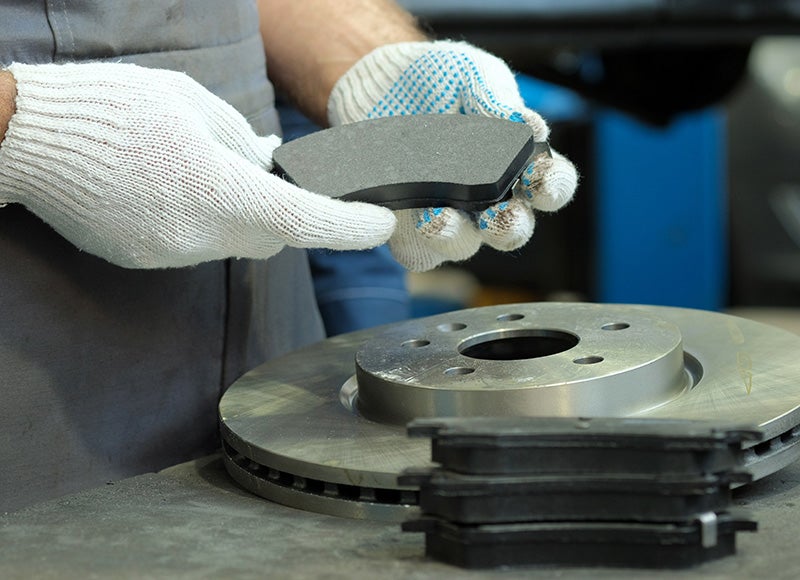
Your brakes are one of your vehicle's most important safety systems. No matter if you drive a Chevy Silverado, Equinox, or Trax in Devine, Texas, understanding how your brakes work can help you catch problems early and stay safe on the road. This FAQ covers the main components that make up your brake system, what controls them, and the warning signs that something may be wrong. What Are Brake Pads and Rotors? Brake pads are friction material that presses against a metal disc called a rotor. When you apply the pedal, the pads clamp down on the rotor to create the friction needed to slow your vehicle. Over time, both the pads and rotors wear down and need to be inspected and replaced. Worn pads are one of the most common brake service items. What Is a Brake Caliper? The caliper holds the pads and uses hydraulic pressure to squeeze them against the rotor. Calipers are positioned over the rotor and must move freely to work properly. A seized caliper can cause uneven braking, premature wear on one side, or pulling to the left or right when stopping. What Is the Master Cylinder? The master cylinder is the heart of your hydraulic brake system. When you press the brake pedal, it pushes brake fluid through the master cylinder and out to each wheel. If the master cylinder fails or develops a leak, you may notice a soft or spongy feel in the pedal, which is a clear sign that service is needed. What Is Brake Fluid? Brake fluid transfers the force from the master cylinder to the calipers at each wheel. It operates under high pressure and must maintain a consistent viscosity to work correctly. The fluid absorbs moisture over time, which can lower its boiling point and reduce braking performance. Regular fluid checks are an important part of automotive maintenance. What Are Brake Lines and Hoses? Brake lines and hoses carry the fluid from the master cylinder to each wheel. Metal lines run along the frame, while flexible rubber hoses connect to the calipers near each wheel. Cracks, corrosion, or leaks in the lines or hoses can cause a loss of hydraulic pressure and significantly reduce your ability to stop. What Is the Brake Booster? The brake booster uses vacuum pressure - typically from the engine - to multiply the force of your foot on the pedal. This makes braking easier and more responsive. If the booster fails, you may need to press the pedal much harder than usual. What Does Squealing or Grinding Mean? A high-pitched squeal when braking is often caused by wear indicators built into the pads. This sound is intentional - it is designed to alert you that the pads are getting low. If you hear grinding instead, the pads may be completely worn through, and metal-on-metal contact can damage the rotors quickly. Why Does My Vehicle Pull When Braking? If your vehicle pulls to one side when you apply the brakes, it could indicate a seized caliper, uneven pad wear, or a problem with the fluid pressure on one side. This is a common question, and the answer is almost always the same: get it checked right away. What Does a Soft or Spongy Pedal Mean? A brake pedal that feels soft, spongy, or sinks to the floor is a serious problem. This often means air in the lines, a fluid leak, or a failing master cylinder. If this happens, get your brakes inspected right away. What Does the Brake Warning Light Mean? The brake warning light on your dashboard can indicate low fluid, worn pads, or an issue with the system. It is one of the clearest signals your vehicle can give you that something needs attention. Visit Brown Chevrolet for Brake Service in Devine, TX If you notice any of these warning signs, do not wait. Drivers throughout Devine, TX, can count on Brown Chevrolet's Certified Service technicians to inspect, diagnose, and repair brake issues using quality parts and proven expertise. Schedule your service appointment at Brown Chevrolet today.
Car Battery: What It Is & When to Replace It
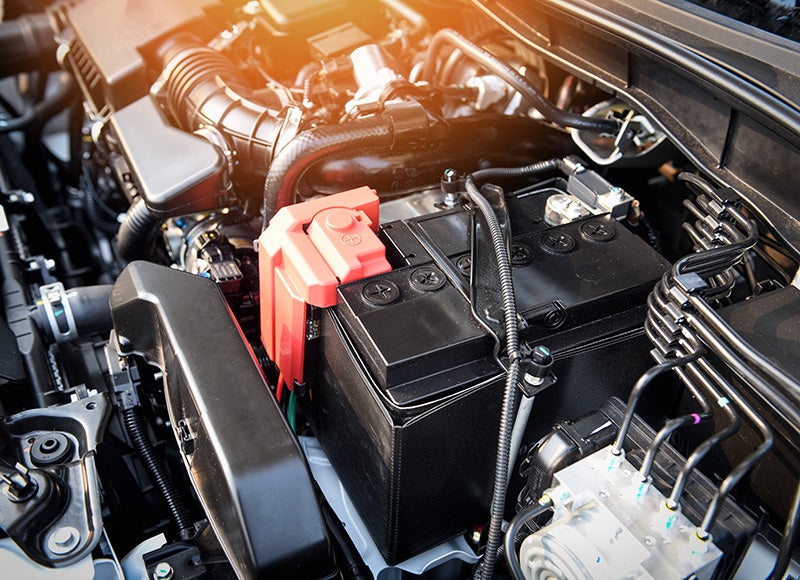
Car Batteries: Small Box, Important Job, Terrible Sense of Timing The car battery is an interesting component because most drivers don't think about it until the precise moment it decides to become extremely important. You turn the key or press the start button, expecting an engine. Instead, you get silence, clicking, or a vehicle displaying all the enthusiasm of a garden shed. Fortunately, batteries aren't especially mysterious. Understanding what yours does, recognizing the signs of declining performance, and scheduling battery testing before it gives up completely can help prevent an inconvenient morning in Devine, TX. Starting the Engine Is the Big Performance When you start the vehicle, the battery supplies a burst of electrical current to the starter motor, allowing it to crank the engine. The battery can also supply electricity to components such as interior lights, exterior lighting, and infotainment equipment when the engine isn't running. Once the engine starts, the alternator generates electricity and replenishes the battery's charge while supporting the vehicle's electrical system. If the battery repeatedly loses charge, professional battery testing or electrical-system diagnosis can help determine if the battery itself is failing or another part of the starting and charging system needs attention. The Battery and Alternator Have an Arrangement Every engine start removes some stored energy from the battery, and the alternator helps put it back while the engine runs. This process happens repeatedly, but the battery's ability to hold a charge gradually declines with age and use. Temperature extremes, frequent short trips, and other operating conditions can also affect battery life. Many conventional batteries last around 3 to 5 years, although service life varies. That's why routine maintenance provides a useful opportunity to check battery condition. Drivers scheduling an oil change, tire rotation, or Multi-Point Vehicle Inspection can also ask about a battery inspection instead of waiting for the battery to announce its retirement without giving 2 weeks' notice. Your Battery May Warn You Before Walking Off the Job A weakening battery can produce several symptoms. Slow engine cranking is one of the more obvious ones, while dimming lights, electrical components behaving unusually, or repeated difficulty starting can also justify an inspection. A battery or charging-system warning light deserves attention as well. Corrosion around the terminals can interfere with electrical connections and should be inspected rather than ignored. These symptoms don't automatically prove the battery needs replacement, which is precisely why battery testing and charging-system diagnosis are useful. A qualified technician can evaluate the system before you spend money replacing a component that wasn't responsible for the problem. A Jump-Start Gets You Moving, Not Diagnosed Jumper cables can solve the immediate problem of a vehicle that won't start, but they can't explain why it happened. If your Chevrolet requires repeated jump-starts, scheduling service is considerably more productive than becoming exceptionally skilled at attaching jumper cables. A Certified Service technician can inspect the battery, connections, starting system, and charging system to determine what requires attention. If replacement is necessary, the parts department can help match the vehicle with the appropriate battery. Checking available service specials before scheduling battery service can also make sense when planning upcoming maintenance. Test the Battery Before It Makes the Decision for You Brown Chevrolet serves Devine, TX, drivers with battery inspections, battery testing, battery replacement, electrical-system diagnosis, and other Chevrolet maintenance services. Owners can explore Certified Service options and replacement parts while taking care of other scheduled maintenance. If your Chevrolet is cranking slowly, showing electrical symptoms, or has an aging battery you'd rather not test through personal experience, schedule a service appointment online and have the system inspected.